Guest Post by Holly Grigg-Spall, freelance writer (“Sweetening the Pill“)
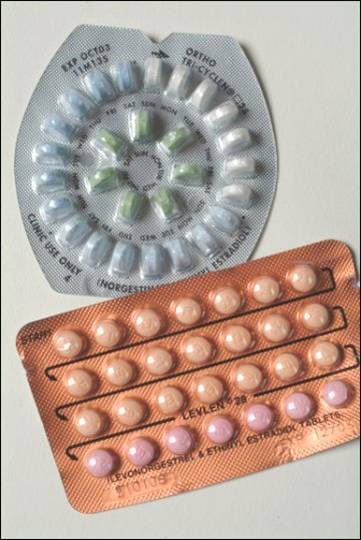
The popularity of the birth control pill is an essential element of our cultural attitude towards menstruation, and women’s bodies as a whole. After taking the pill for ten years I recently decided to stop, for good. I have this month had my first real period in a decade. I didn’t decide to come off the pill because I want a baby, it’s because I want to blog, and have been blogging about the pill for several months. My blog ranges from my own personal ramblings about taking the pill, to adventures in the world of women’s studies. I am not religious, pro-abstinence or anything like a hippy, I just came to realise that I was taking a very powerful medication every day and I wasn’t sure exactly why.
I had an understanding that the pill was a wonderful invention that liberated womenkind, but ten years in and on Yasmin I was experiencing panic attacks, constant anxiety, paranoia and depression, as were many of my friends and friends of friends. I began to research how the pill actually works and was amazed to discover the whole body impact and potential side effects of this impact. I didn’t know the pill suppressed my hormone cycle every month and that this suppression had consequences for many functions of my body, most interestingly the system underpinning my mood and sense of well being. I didn’t know this, and soon discovered most women didn’t know this either and were blithely popping a pill they thought safe, easy and effective, and not even just for contraception when contraception was needed – they were taking it at fourteen years old and continuing for a large part of their lives. Aside from internet forums for medications discussion I could find no one intelligently criticising, analysing or considering the potential effect of the pill’s impact. Anyone who did so was considered to have a conservative, anti-women agenda.
Considering the pill’s mythology and legacy it has been hard to get the word out there that some women will experience insidious effects on their mood and emotional state and that women should know more about the pill if they are to truly be making an informed decision about their bodies. Margaret Sanger fought for education, availability and freedom of choice – the dominance of the pill, and the culture of pill pushing has created a situation in which many women do not know what they are taking, what it does to their bodies or what they could use as an alternative that would be just as effective, or even get hold of these alternatives if they do know and want them. There are still many women out there who are unnecessarily suffering as I did with depression and anxiety, doubting themselves and their sanity. I always say – yes women who don’t take the pill feel bad sometimes too – but it’s very important that women taking the pill know that if they do feel bad it could be that medication they take every day, so casually, it seems odd to even call it a medication.