Blog of the Society for Menstrual Cycle Research

It’s National Women’s Health Week — Celebrate and Reminisce with the FDA

May 15th, 2012 by Elizabeth Kissling

I admit, I didn’t know that this is National Women’s Health Week until I received a reminder in my inbox from a U.S. FDA mailing list, letting me know about the Food & Drug Administration’s role in promoting Women’s Health. They’ve published a brochure (available in both HTML and PDF versions) commemorating 100 Years of Protecting and Promoting Women’s Health.

Image Source: Public Domain

Society for Menstrual Cycle Research members and other women’s health advocates and activists will want to look through the list of the accomplishments the FDA claims responsibility for and lists as unequivocal improvements in women’s health.

For instance, we’ve had many discussions at re:Cycling about the FDA approval of the pill in 1960 as one holding mixed benefits for women, and not always the best choice for women’s health. The brochure also asserts that in 1970, “FDA initiated the first package insert written for consumers to explain to women the benefits and potential risks of oral contraceptives.” That happened in 1970, but Barbara Seaman, Alice Wolfson, and the other founding mothers of the National Women’s Health Network had more to do with its initiation than the FDA.

And here’s another inspiring quote from the FDA brochure:

1980: Making Tampon Use Safer

Problem: In 1980, there were 814 confirmed cases of menstrual related Toxic Shock Syndrome (TSS) and 38 deaths from the disease.
Response: FDA began requiring all tampon packages to include package inserts educating women about the risk of TSS and how to prevent it. In 1997, there were only five confirmed menstrually-related TSS cases and no deaths. The tampon package inserts with TSS information continue to be used today.

Sure, the FDA is proud of those safety rules now, but in 1982 the agency asked the industry to come up with their own voluntary standards because they did NOT want to regulate tampon safety. After years of pressure and organizing from Boston Women’s Health Collective members Esther Rome and Judy Norsigian, activist Jill Wolhander, researcher Nancy Reame, and others to standardize tampon absorbency ratings, the FDA finally enacted regulations in 1989, by court order. Nine years after 38 women died from a tampon-related illness.

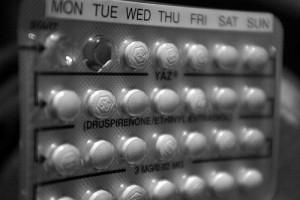
Just last year, the FDA could have made another decision that would almost certainly save women’s lives, by removing birth control pills containing the synthetic progesterone drospirenone from the market, but instead the advisory panel voted by a four-person margin that the drugs’ benefit outweighed the risks.

You know what else isn’t on the list? Emergency contraception, a.k.a. the Morning After Pill and Plan B. The agency hemmed and hawed and delayed unconscionably for years, until finally approving it for limited over-the-counter availability in 2006 — a year after Susan Wood walked out of the FDA Office of Women’s Health for good over what she believed to be “willful disregard of scientific evidence showing Plan B to be safe.”

Celebrating organizational achievements that advance and protect women’s health is a fine thing. I’m glad Frances Kelsey withheld approval of Thalidomide in 1960, and for the most part, I’m glad the FDA is on the job. But while we’re celebrating women’s health and reminding everyone to be active, eat healthy, and get preventive health care (if they are so fortunate to have access to health care), let’s also celebrate the activists and advocates that keep agencies like the FDA in line.

Post to Twitter Post to Plurk Post to Yahoo Buzz Post to Delicious Post to Digg Post to Facebook Post to MySpace Post to Reddit Post to StumbleUpon

Because of a tampon

November 28th, 2011 by Chris Bobel

Photo of Amy Rae Elifritz used with permission.

Amy Rae Elifritz was 20 when she died of tampon-related Toxic Shock Syndrome (TSS) on June 13, 2010.

Take a moment to reckon with this.

Because of a tampon.
2010.

Her remarkable mother, Lisa Elifritz founded a not for profit You ARE Loved (ARE=Amy Rae Elifritz). [http://you-are-loved.org/]The organization’s mission centers on “raising awareness of tampon related Toxic Shock Syndrome (TSS) and providing factual information about menstruation.”

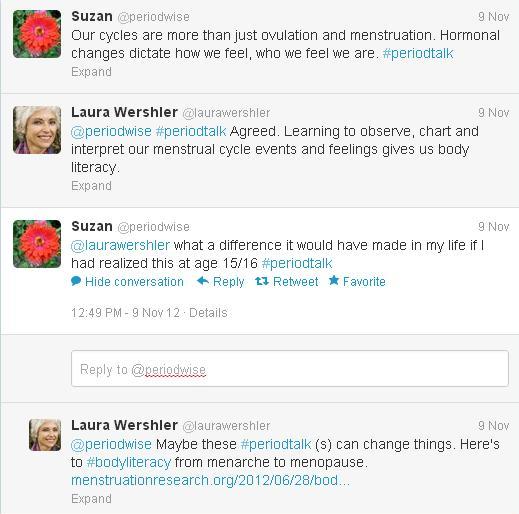
YAL is doing some creative outreach using social media. They launched a blog project this year to spread TSS awareness throughout the blogosphere, and they are doing more general menstrual education, too. For instance, their monthly “Tweet Chats”  touch on a range of related issues. November’s chat explored menstrual care options and December’s upcoming chat is about “Period(ic)Stories”.

Thanks to Lisa Elifritz, Amy’s too-short life is much bigger than her 20 years. Lisa and her collaborators are transforming an avoidable tragedy into social action that can literally save lives.

Because no one should die because of a tampon in 2010.

Post to Twitter Post to Plurk Post to Yahoo Buzz Post to Delicious Post to Digg Post to Facebook Post to MySpace Post to Reddit Post to StumbleUpon

New Data on Toxic Shock Syndrome

December 17th, 2009 by Elizabeth Kissling

The first known case of fatal TSS related to an IUD was recently reported recently. Here’s the abstract from the November 2009 Annals of Emergency Medicine (the full article is behind a subscription firewall):

Toxic shock syndrome is a rare toxin-mediated condition that can rapidly produce multiorgan failure and severe shock. Toxic shock syndrome has been previously recognized in various clinical situations relating to surgery, nasal packing, abscesses, burns, and most notably menstrual-related cases. This case report describes a previously healthy 33-year-old woman presenting to the emergency department with complaints of nausea, vomiting, and diarrhea; vital signs at triage were normal. Within hours, she developed shock and cardiopulmonary arrest. The patient met all 6 of the Centers for Disease Control and Prevention diagnostic criteria for toxic shock syndrome, and her intrauterine device grew out Staphylococcus aureus. To our knowledge, this is the first reported case in the medical literature of fatal toxic shock syndrome related to an intrauterine device.

Post to Twitter Post to Plurk Post to Yahoo Buzz Post to Delicious Post to Digg Post to Facebook Post to MySpace Post to Reddit Post to StumbleUpon

Tampon Coating May Protect from Toxic Shock

December 9th, 2009 by Elizabeth Kissling

tamponsToxic shock syndrome is a potentially deadly complication of bacterial infection, resulting from Staphylococcus aureus (staph) bacteria. It has been associated with the use of super-absorbent tampons (most notably, the infamous Rely brand in 1980), but other risk factors include skin wounds and surgery. Thus it can also affect men, children, and postmenopausal women. Given the history of association of TSS with tampons – 40 women in the US died between March 1980 and March 1981 – research on prevention of TSS in menstruating women is ongoing.

A new finding, published in Clinical Infectious Diseases last week, suggests that using GML as a tampon fiber finish may reduce the risk of TSS in menstruating women. GML (Glycerol monolaurate) is an emulsifier used in ice cream, cosmetics, and chewing gum. (It also occurs naturally in human breast milk.)

The researchers tested the GML coating in a double-blind study in which the women wore the special tampons for 2-6 hours on the second day of menstrual flow. The women’s own tampons were then compared with study tampons with or without GML for S. aureus and the exotoxins associated with TSS. Lower amounts of the exotoxins were present in study tampons with GML than study tampons without GML, leading the researchers to conclude “that GML added to tampons provides additional safety relative to menstrual toxic shock syndrome as well as benefits for vaginal health generally.”

Post to Twitter Post to Plurk Post to Yahoo Buzz Post to Delicious Post to Digg Post to Facebook Post to MySpace Post to Reddit Post to StumbleUpon

Readers should note that statements published in re: Cycling are those of individual authors and do not necessarily reflect the positions of the Society as a whole.