by Heather Dillaway | Aug 20, 2014 | Health Care, Language
re-blogging re:Cycling In celebration of our fifth anniversary, we are republishing some of our favorite posts. This post by Heather Dillaway originally appeared October 28, 2010. I’ve been thinking a lot lately about the words we use when we’re talking about...
by Laura Wershler | Apr 2, 2014 | Activism, Menstruation, Motherhood
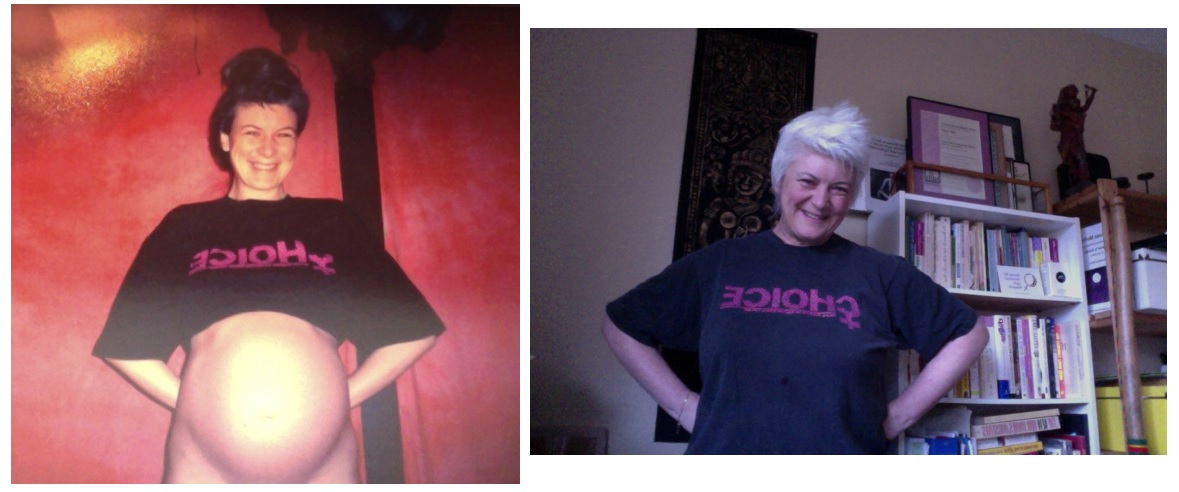
Guest Post by Lisa Leger Posing while pregnant in my pro-choice T-shirt in 1993 was a political statement, one I made with a huge sassy grin on my face. When I recreated the pose recently on my daughter’s 21st birthday, I found it easy to reprise the grin. First take,...
by David Linton | Mar 26, 2014 | Books, Health Care, History, Men
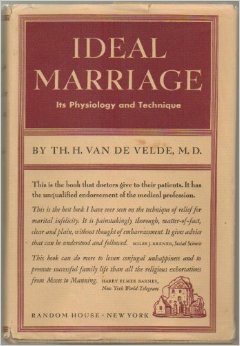
A previous post, The Subject of Sneers or Jests: Menstrual Education in the Service of Racism, examined the confluence of eugenic notions that conflated the effects of environmental factors like clothing, alcohol, and masturbation with heredity and health as expressed...
by David Linton | Jan 15, 2014 | Books, Film, Media, Men, Menstruation
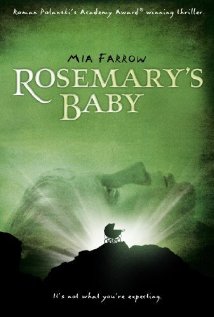
In 1967, the same year as the previously discussed Diary of a Mad Housewife, Ira Levin’s Rosemary’s Baby was published and eventually climbed to Number Seven on the Best Seller list for that year. It then went on to become a successful feature film in 1968...
by David Linton | Dec 4, 2012 | Media, Pregnancy
There is no end to the variety of ways that men find to express their fascination fear, discomfort, attraction, or repulsion when it comes to any aspect of the menstrual cycle. Take, for instance, the bizarre annual event hosted by the DJ’s at a San Diego...