August 12th, 2010 by Elizabeth Kissling

'Puberty' by Edvard Munch. Photo courtesy of Flickr user independentman // CC 2.0
When the story that girls are reaching puberty earlier than ever began popping up everywhere this week, I did not doubt its veracity. It was no coincidence that I received an email from a friend yesterday, observing with mixed feelings that she had just purchased a first bra for her oldest daughter. Her daughter is 9.
News about girls reaching puberty earlier and earlier isn’t exactly new. We saw a flurry of stories in late 2009, when studies found an association between early menarche, late menopause and breast cancer. Additionally, the finding that African American girls often show signs of pubertal development earlier than other girls is well-established.
The study that triggered this new explosion of publicity, published this week in Pediatrics, assessed girls’ development by evaluating the size of breast buds (as breasts are called in early stages of development). The researchers evaluated an ethnically diverse population of 1,239 girls ages 6 to 8 across three research sites. They found that 10.4 percent of white, 23.4 percent of black and 14.9 percent of Hispanic 7-year-olds had reached “Sexual Maturation Stage 2.” Stage 2 is more typically reached at age 10, but may occur any time from age 8 to age 13. Menarche, the first menstrual period, occurs on average at age 12, in Stage 4, but it, too, varies, occurring as early as age 9 and as late as age 17. Continue reading...
Tags: breast cancer, breasts, Girls, Menarche, puberty
Posted in Girls, Internet, Media, New Research, Newspapers, anatomy | 2 Comments »
July 16th, 2010 by Elizabeth Kissling
Tags: Girls, magazines, Menarche, ritual, tradition
Posted in Girls, Menarche, magazines | Comments Off
June 15th, 2010 by Elizabeth Kissling
In Therese Shechter’s guest-post about the German teen magazine feature article, “Every Vulva Is Different”, she noted that we’re unlikely to see such an explicit, body-positive article in a U.S. teen magazine. Therese, as usual, knows what she’s talking about. In this just-released video clip from her forthcoming documentary How to Lose Your Virginity, Susan Schulz, the Editor-in-Chief of CosmoGirl! magazine, tells viewers about the time CosmoGirl! ran an article titled “Vulva Love”, which included a cartoon drawing of vulvar anatomy and some basic, age-appropriate physiological and health information about vulvas. It was the most complained about article ever published by the magazine. The complaints were not from the magazine readers, however: the grievances were filed by the mothers of subscribers. Parents thought it was inappropriate material for their teen daughters.
After you watch the clip, consider throwing a few bucks Trixie’s way so she can complete the film – the project needs another $3585 pledged by July 1 to receive the $10,000 they’re trying to raise.

Tags: anatomy, Girls, Independent Film, sex education, teen magazines, vulva
Posted in Communication, Film, Independent Film, Media, anatomy, magazines | Comments Off
June 13th, 2010 by Elizabeth Kissling

Photo by Splorp // CC 2.0
It’s well-documented that girls today reach menarche earlier than previous generations. A century ago, it was common to experience one’s first period at 16 or 17; today, that’s regarded as so late that medical examinations are often conducted to reassure parents and girls that their development is normal. The typical North American girl sees her first period at age 12, give or take a few months.
Many explanations have been posited for this phenomenon; personally, I’ve long suspected that a primary cause is endocrine disruptors that are the hormones used in raising beef and dairy cattle as well as chicken in this country. Also, girls today typically achieve the minimal body fat necessary to menstruate at younger ages, due to improved health and nutrition. Now a new study suggests that it is not merely consumption of meat that lowers the age of menarche, but the high content of zinc and iron in a meat-rich diet.
Oddly, the lead researcher is quoted in the news story as saying, “These results add to the evidence that it is healthiest to avoid diets containing very high amounts of meat,” but also that there is no need for young girls to cut their meat intake. (I haven’t yet been able to locate a copy of the actual study.)

Tags: diet, endocrine disruptors, Girls, hormones, Menarche
Posted in Menarche, New Research | 4 Comments »
June 8th, 2010 by Laura Wershler
Teen sex: More use rhythm method for birth control.
It was an odd headline for an Associated Press story on the 86 page report on teen sexual activity just released by the Centre for Disease Control and Prevention. Not all that relevant to the broader subject of the study on which the report is based: Teenagers in the United States: Sexual Activity, Contraceptive Use, and Childbearing, National Survey of Family Growth 2006-2008. If you’re interested, it is a fascinating read.
But it was the headline and this excerpt from the story that caught my attention:
About 17 percent of sexually experienced teen girls say they had used the rhythm method – timing their sex to avoid fertile days to prevent getting pregnant. That’s up from 11 percent in 2002.
They may have been using another form of birth control at the same time. But the increase is considered worrisome because the rhythm method doesn’t work about 25 percent of the time, said Joyce Abma, the report’s lead author. She’s a social scientist at the CDC’s National Center for Health Statistics.
You can’t study what you don’t understand. The study authors demonstrate their lack of knowledge about natural birth control methods by the question they asked study participants: Have you ever used rhythm or safe period by calendar to prevent pregnancy?
There are many brands of natural birth control. Some , like the Rhythm and Calendar methods, are not effective. No proponent of Natural Family Planning (NFP) or Fertility Awareness Based Methods (FABM), which have effectiveness rates as high as 99.4 percent, would recommend them. Yet this study does nothing to differentiate between these methods of natural birth control, thereby confusing the public, the study results and themselves.
It’s high time researchers studied up on natural birth control methods if they want to include questions about them in a study on the contraceptive practices of teens or adults.
Until they do, I suggest anyone interested in the sexual and reproductive health of teen girls start buying copies of Cycle Savvy: The Smart Teen’s Guide to the Mysteries of Her Body. This book can help our daughters acquire the life skill of body literacy – to understand the mysteries of their menstrual cycles and how this knowledge can serve them well as they make decisions about their sexual and reproductive health and lives.

Tags: Birth Control, contraception, Girls, rhythm method
Posted in Birth Control, Girls, New Research, Newspapers, Reproduction, Sex | 2 Comments »
February 17th, 2010 by Chris Bobel
We at re: Cycling have been tracking the African-girls-miss-school-because-they-menstruate equation for a while now.
Specifically, we’ve questioned the assumption that menstrual FLOW management is girls’ biggest menstrual problem (it is not, says at least one recent study–cramps are!). And we’ve been MORE critical of so-called altruistic solutions that are, underneath the (silent?) disposable wrapper, little-more than consumer socialization. Menstrual shame, sexism and poverty are not ameliorated though the cultivation of brand loyalty. Girls need information, support and the tools to develop awareness of their bodies while learning to live sustainably–this does not come in the shape of a box of single-use products that ends up clogging landfills.
Making green products available to girls while supporting economic growth and self-sufficiency in the Global South seems a more enduring and girl-centered initiative and there are number of projects that are doing just that. There Elizabeth Scharpf’s SHE initaitive in Rwanda and Lunapads donation program in collaboration with a number of related initiatives: Continue reading...
Tags: Africa, FemCare, Girls, pads, Sustainability
Posted in Disposable menstrual products, FemCare, Girls, Menstruation, New Research, Reusable menstrual products | 4 Comments »
December 29th, 2009 by Elizabeth Kissling

Three of my young nieces, Labor Day Weekend 2009.
Janice Horowitiz’ “Dueling Docs” feature at Huffington Post today is about the issue of girls reaching puberty at increasingly earlier ages than previous generations. Both Dr. Alisan Goldfarb and Dr. Stephen Safe talk about endocrine disruptors such as BPA (bisphenol-A, a carcinogenic component of some plastics found in some baby bottles and water containers) and pesticides. Certainly both types of chemicals are likely to be a factor in early menarche, but I find it surprising that those are the only factors mentioned. There’s no discussion of the roles of psychosocial stressors, low birth weight, or formula feeding. Neither physician gives serious consideration to the endocrine disruptors that are the hormones used in raising beef and dairy cattle as well as chicken in this country; Dr. Safe acknowledges that “[a]lmost all foods have endocrine disruptors”, but qualifies that statement with, “particularly fruits and vegetables.” (Do you suppose the beef and dairy lobby advertise at Huffington Post?)
For a more thorough, nuanced analysis of this issue, see Sandra Steingraber’s report, The Falling Age of Puberty in U.S. Girls: What We Know, What We Need to Know, published in 2007 by the Breast Cancer Fund. Among other findings, Steingraber reports that new research has revealed that the amount of natural hormones a child’s body produces on its own is much lower than previously estimated; this means “safe levels” of exposure to synthetic hormones and endocrine disruptors must be recalibrated, and policy modified accordingly.

Tags: breast cancer, environment, Girls, hormones, Menarche, puberty
Posted in Girls, Internet, Menarche, New Research | 3 Comments »
December 23rd, 2009 by Elizabeth Kissling
Guest Post by Holly Grigg-Spall, freelance writer (”Sweetening the Pill“)
In the summer of this year, I was researching for a feature for Easy Living magazine on the potential side effects of the birth control pill and when searching for a news hook for the piece, I found out about the preparation of a NHS scheme which would allow oral contraceptives to be distributed from pharmacies without a prescription. At that time, all of the doctors I interviewed expressed concerns about this development, even the most conservative GPs who stubbornly dismissed my concerns about side effects.
Then last week it hit British newspapers that this scheme had recently launched in the areas of London that have the highest rates of teenage pregnancy. Bold, bright posters in the style of laundry soap adverts exclaiming that the Pill is now available without prescription are up in pharmacy windows of Lambeth and Southwark. According to the news reports the pharmacists involved were given three weeks of training in order to provide consultations for young women looking to start taking oral contraceptives or wanting to move from the Pill to long acting methods like the injection, the implant or the hormonal IUS. The implication was also there that if young women came to the pharmacy for the emergency contraceptive pill then their consultation would involve the suggestion that they start on the Pill or a long-acting method. Continue reading...
Tags: advertising, birth control pill, England, Girls, government agencies, guest post
Posted in Birth Control, Girls, Health Care, Pharmaceutical | 2 Comments »
December 19th, 2009 by Elizabeth Kissling
Guest Post by Therese Shechter, filmmaker (Trixie Films)
Alert: Links are Not Safe for Work
German teen magazine Bravo, known for it’s explicit information on sexuality and sexual health has done it again with their feature: Vulva-Galerie: Schau, welche Unterschiede es gibt! which according to my Google translator means”Vulva Gallery: Look, what are the differences?”
The text says: The vulva is the externally visible part of the vagina. Do you want to finally know what it looks like on other girls? We show you the variations! If you click on Hier siehst du, welche Vulva-Variationen es gibt! (Here are the vulva variations!), you get a gallery of photographs of female genitals, photographed from the front. Some are pierced, some are hairy, some are shaved, some have larger labia…but unfortunately, they’re all white and none of the women seem to be on the larger side.
That’s too bad, because the underlying message is a good one: Stop comparing your ladyparts to women in mainstream porn. This is what we look like when we’re not being seen through the male gaze. Every vulva is different and special in its own way. Again, I wish there had been some diversity in race and size. Is Germany really such a homogeneous society? I don’t think so. The photo series ends with a more explicit photo of the inner vulva, complete with labels. Continue reading...
Tags: Girls, guest post, magazines, sex education, vulva
Posted in Communication, Girls, magazines | 8 Comments »
December 11th, 2009 by Elizabeth Kissling
Tags: big pharma, boys/men, breast cancer, drugs, economics, Girls, Health Care, lawsuit
Posted in Girls, Health Care, Law/Legal, New Research, Pharmaceutical | 2 Comments »
November 1st, 2009 by Elizabeth Kissling
In Rwanda, Harvard Business School Fellow Elizabeth Scharpf is breaking menstrual silence and challenging female poverty with the Sustainable Health Enterprises (SHE) program. SHE helps local women in developing countries “jump-start their own businesses to manufacture and distribute affordable, quality, and eco-friendly sanitary pads.” This truly innovative program combines microloans with the use of local raw materials (instead of imported materials) to ensure affordability and accessibility.
In our previous post on this topic, Chris theorized, not unreasonably, that cramps and menstrual silence play at least as big a role as lack of menstrual products in keeping girls out of school in developing nations.
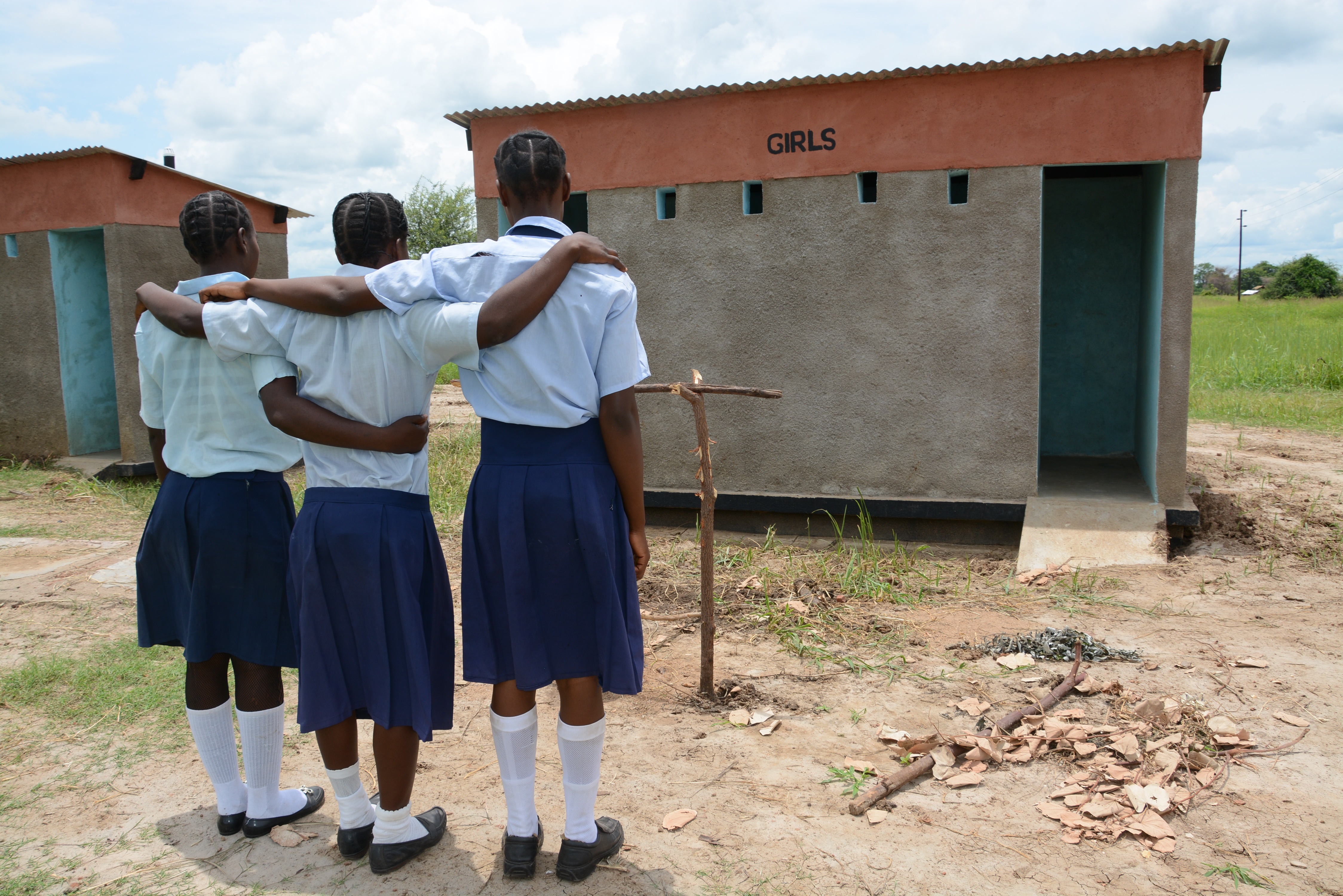
Both factors are likely at play, to varying degrees depending on the locale. The Forum of African Women Educationalists (FAWE) recently reported that in Uganda, lack of menstrual supplies coupled with inadequate latrine facilities for girls seriously impacts the education of girls ages 11-13.
Despite tax waivers introduced to reduce the cost of sanitary pads, finding money to buy them each month is a challenge for many grown women, never mind pre-teen girls.
A packet of sanitary pads costs the equivalent of $1.50 in Uganda – for the same amount you could get a kilo of sugar for the whole household. Girls whose parents can’t afford to give them the money improvise with strips of toilet paper or old cloth. [. . . .]
As Chris suggested in her post, the solution is about communication as much as it is about resources; FAWE found this to be true among the girls they studied in Uganda. The silences and taboos around menstruation make it difficult for girls to ask their parents for money to buy pads. FAWE has launched a campaign to de-stigmatise menstruation through educating girls. They’ve started a “girl education movement”, organizing clubs in schools, and teaching girls that menstruation is is a normal occurrence, nothing to be scared of or ashamed of.
You can’t ask for help if you can’t talk about it.

Tags: economics, education, Girls, Menstruation, pads
Posted in Activism, DIY, Girls, Menstruation | 1 Comment »
Readers should note that statements published in re: Cycling are those of individual authors and do not necessarily reflect the positions of the Society as a whole.