by Elizabeth Kissling | Oct 24, 2014 | Activism, Language, Media, Menstruation
Guest Post by Josefin Persdotter, Gothenburg University As I write this, it is only hours until the acclaimed Swedish television program Kobra airs an episode about menstruation in art, and as a growing social movement in Sweden. They’ve interviewed none other than...
by Paula Derry | Feb 4, 2013 | Menarche, Menstruation
What does it mean to have menstrual periods? This is an intensely personal question, but it is also a scientific and a cultural one. The menstrual cycle can, of course, be described in terms of a woman’s personal experience of menstrual flow. It can also be described...
by Breanne Fahs | Jul 27, 2012 | History, Menarche, Menstruation
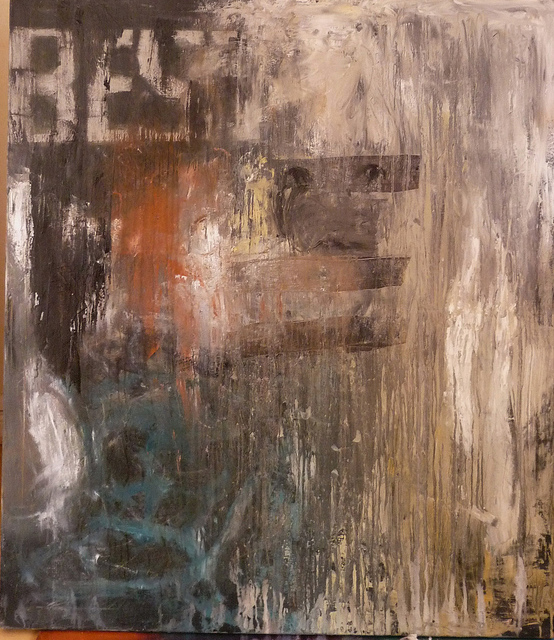
Last year, the media focused much attention on the Smithsonian’s decision to pull the David Wojnarowicz video, “A Fire in My Belly,” from an exhibition at the National Portrait Gallery in Washington, D.C., entitled, “Hide/Seek”. The museum apologized for the piece’s...
by Elizabeth Kissling | Apr 6, 2012 | Girls, Internet, Language, Menarche, Menstruation
Today’s post was created using the web tool Storify, and may take an extra moment to load in some browsers. If the page fails to load, please use your refresh/reload button [View the story “Period Parties” on...
by Elizabeth Kissling | Oct 14, 2010 | Communication, Objects, Religion/Spirituality
Female visitors to Te Papa (Museum of New Zealand) are faced with a difficult moral dilemma regarding the taonga Maori collection included in an upcoming tour. An invitation for regional museum staff to go on a behind-the-scenes tour of some of Te Papa’s...