Blog of the Society for Menstrual Cycle Research

Cervical Cancer Vaccine NOT Recommended for Older Women

March 2nd, 2010 by Elizabeth Kissling
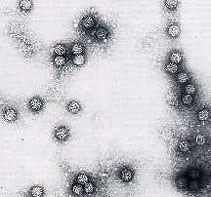
HPV virus magnified.

HPV virus magnified.

Although it pains me to see how low the threshold is for defining “older women” in this research, I am glad to see that the findings of this longitudinal study confirm that the HPV vaccine is of little to no benefit to older women. The study was published in Journal of the National Cancer Institute last month.

In a 7-year population-based cohort study in Costa Rica, the researchers looked at more than 9000 women in four age groups: ages 18–25, 26–33, 34–41, and ≥42 years to assess whether women’s age and the duration of carcinogenic HPV infections influenced subsequent persistence of infection and risk of cervical cancer. They found that regardless of the woman’s age, newly detected infections were associated with very low absolute risks of persistent infection or cancer.

Although cervical cancer is more common in older women, it usually develops many years – even decades – after exposure to a carcinogenic virus. The research team found that the rate of newly detected infections dropped with age — to 13.5 percent in women 42 and older, from 35 percent in women 18 to 25. In younger and older women alike, new infections generally cleared up without treatment.

The researchers concluded that the potential benefitof prophylactic vaccination or frequent HPV screening to prevent or detect new carcinogenic HPV infections is low in women aged 34 years and older.

Post to Twitter Post to Plurk Post to Yahoo Buzz Post to Delicious Post to Digg Post to Facebook Post to MySpace Post to Reddit Post to StumbleUpon

Will HPV Screening Replace Pap Tests?

January 26th, 2010 by Elizabeth Kissling

Photo of two women in medical consult.Researchers in Italy have recently completed a study comparing the effectiveness of DNA testing for HPV (human papillomavirus) to the commonly used Pap smear for detecting cervical cancer. Their findings suggest that more cases of cervical cancer can be prevented with HPV testing than with the conventional Pap smear, especially for women over 35.

There are, however, some disadvantages to using DNA tests to detect HPV. For example, the test is less specific, which means that there are more false positives in the results. This means more women have to return for further testing. In practice, HPV screening has a callback rate of about 25-30%, compared to a callback rate of about 5-7% for Pap smears, according to Dr. Mark Einstein, a gynecologic oncologist and director of clinical research at Montefiore Medical Center in New York City.

Health News Review points out that although the HPV test is more effective in the sense that it prevents invasive cervical cancer by detecting persistent high-grade lesions earlier and providing a longer low-risk period for older women, replacing Pap smears with it is not necessarily more cost-effective for patients, given the costs of the additional colposcopies that result from the higher callback rate from HPV testing.


Post to Twitter Post to Plurk Post to Yahoo Buzz Post to Delicious Post to Digg Post to Facebook Post to MySpace Post to Reddit Post to StumbleUpon

What are you doing this month for your cervix?

January 7th, 2010 by Elizabeth Kissling

hpv_cardSome ecards, creators of absolutely genius electronic postcards, have introduced a special series of HPV WTF cards to commemorate National Cervical Health Month. (I’ll bet you didn’t even know it was National Cervical Health Month!)

Send them to people you care about who have a cervix.


[via Feminist Campus]

Post to Twitter Post to Plurk Post to Yahoo Buzz Post to Delicious Post to Digg Post to Facebook Post to MySpace Post to Reddit Post to StumbleUpon

Readers should note that statements published in re: Cycling are those of individual authors and do not necessarily reflect the positions of the Society as a whole.