Blog of the Society for Menstrual Cycle Research

Contraceptive Injections Increase Risk of Bone Loss

December 27th, 2009 by Elizabeth Kissling

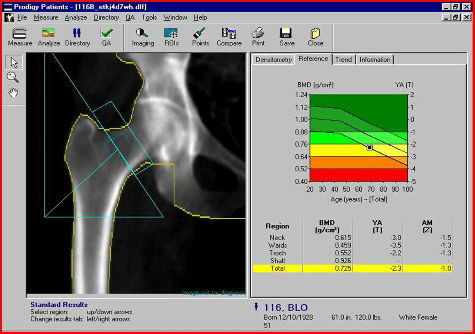
DEXA scan of femur.New research from the University of Texas Medical Branch at Galveston finds that nearly half of women using depot medroxyprogesterone acetate (DMPA), commonly known as the birth control shot, will experience high bone mineral density (BMD) loss in the hip or lower spine within two years of beginning the contraceptive. Women who smoke, have inadequate calcium intake, and have never given birth are at higher risk of BMD loss.

The study, published in the January 2010 issue of Obstetrics and Gynecology, followed 95 DMPA users for two years. In that time, 45 women had at least five percent BMD loss in the lower back or hip. A total of 50 women had less than five percent bone loss at both sites during the same period. The researchers followed 27 of the women for an additional year and found that those who experienced significant BMD loss in the first two years continued to lose bone mass.

“These losses, especially among women using DMPA for many years, are likely to take an extended period of time to reverse,” says first author Dr. Mahburbur Rahman, assistant professor in the department of obstetrics and gynecology and Center for Interdisciplinary Research in Women’s Health.

The researchers note that while this study will help physicians counsel women with modifiable risk factors who wish to use DMPA, prevention of bone loss while using the contraceptive and reversibility of BMD loss are still not well understood and further research is needed.

DMPA, an injected contraceptive given every three months, is used by more than two million women in the U.S.; nearly one-quarter of them teens. DMPA is popular with young women because it is less expensive than many other forms of birth control, has a low failure rate, and does not require daily use.

[Via Red Tent Sisters]

Post to Twitter Post to Plurk Post to Yahoo Buzz Post to Delicious Post to Digg Post to Facebook Post to MySpace Post to Reddit Post to StumbleUpon

BBF: Best Bones Forever

September 3rd, 2009 by Elizabeth Kissling

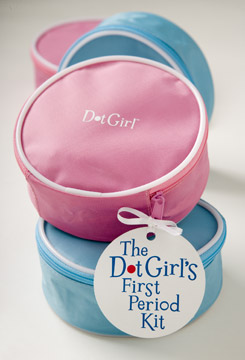
DotgirlDot Girl™ First Period Products, a retailer of first menstrual period kits for pre-teen girls, announced today that they are partnering with Best Bones Forever!, a national campaign led by the U.S. Department of Health and Human Services’ Office on Women’s Health.

It’s hard to get cranky about a federal program that seems to consist mostly of PSAs about good health habits for girls, but a couple of things about this particular campaign make my SpideySense tingle:

  1. The press release about this new partnership states that Dot Girl™ is based in Seattle and was founded by sisters Terri Goodwin and Kathy Pickus with the intent to help parents manage the often difficult conversation about menstruation with their prepubescent daughters. The sisters’ products also “create empowered young women who have a positive first period experience.” But a closer look at the contents of the Dot Girl’s First Period Kit suggests a close relationship with Kimberly-Clark: it contains two Kotex products and coupons for discounted purchase of other Kotex products. I also note that the name and logo of the company, Dot Girl, evokes the red dot used in Kotex commercials and logos. Kotex received a lot of kudos when their Red Dot campaign was first launched in 2000, for its playfulness and for being the first advertising campaign in the U.S. to use the word “period”.
  2. The Kit also contains a sample package of “Scensibles™”, labeled “scented bags for clean, easy, discreet disposal of feminine care products” and a package of hand wipes. I suppose these are included because periods are so smelly and dirty; apparently empowerful young women need to be very clean. In the U.S., it is not unusual for key developmental moments such as menarche to be marked by increased consumer behavior but it still rubs me the wrong way that an organization purportedly focused on helping girls and their parents with this transition tries to do so by selling stuff – especially unnecessary stuff with shaming implications.
  3. I also note that all the material about how to develop and maintain healthy bones makes no mention of the link between bone health and menstruation. With each ovulatory cycle, the ovary secretes progesterone, which stimulates the production of osteoblasts. Osteoblasts are cells that build new bone. If menstruation is irregular or suppressed with cycle-stopping contraceptives (which work by suppressing ovulation), bone health can be negatively affected.

Post to Twitter Post to Plurk Post to Yahoo Buzz Post to Delicious Post to Digg Post to Facebook Post to MySpace Post to Reddit Post to StumbleUpon

Readers should note that statements published in re: Cycling are those of individual authors and do not necessarily reflect the positions of the Society as a whole.