Blog of the Society for Menstrual Cycle Research

Endometriosis and the Mysteries of Pelvic Pain

December 16th, 2011 by Elizabeth Kissling
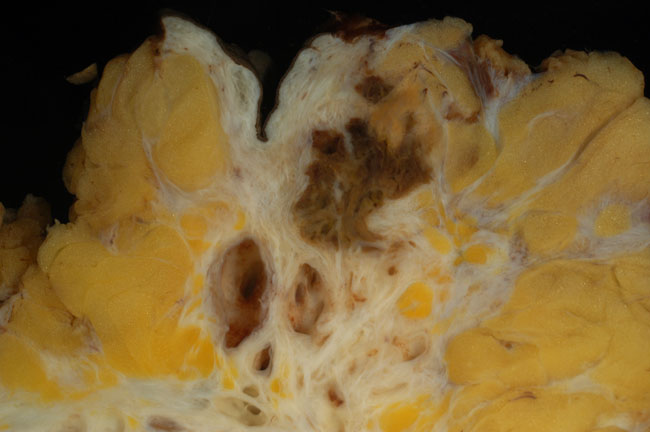
Endometrial tissue embedded in abdominal wall

Endometriosis in abdominal wall. Photo by Ed Uthman, MD. Public domain.

I’ve recently developed a whole new understanding of why it takes so long for women to receive a diagnosis of and treatment for endometriosis. It’s not just the constraints of menstrual etiquette or the belief that painful periods are normal, especially for young women.


It’s about poop. No one wants to talk about that, least of all me.


I have endometriosis, and I’ve known it known for years. My doctors know it, too. It was seen through the laparoscope during a procedure for something else when I was about 35. But I’m still having trouble getting a diagnosis and treatment.


A flare-up of pain began two months ago, and I went to the clinic for relief and told the responding physician, “I think it might be my endometriosis”, pointing to the low area on my pelvis where it hurts. He asked a lot of questions about my bowels — I’ll spare you the grisly details — and ordered blood tests and an abdominal x-ray. After studying the results, he prescribed treatment for constipation, and urged me to call or return if my pain was not soon resolved.


Since that October afternoon, I’ve seen three additional physicians and continue to experience daily pelvic pain. I’ve had more blood tests, another x-ray, and a contrast CT scan, which showed normal bowel function. Perhaps because I had a hysterectomy a few years ago for adenomyosis, my doctors* continued to focus their attention on my ‘bowel problem’, rather than reproductive health issues, even though I retain healthy, functioning ovaries.


Until this week, when I finally saw the gastroenterologist. He listened to my description of the pain and its location, and more detail about my bowel habits than I’ve ever had to report since my mother toilet-trained me. And after a brief examination, he referred me back to the gynecologist who performed my hysterectomy. That’s right — he found nothing wrong with my bowels. My appointment with the gynecologist is early next week, and I’m optimistic that I will finally have an answer about the source of my pain, and even better, a means to resolve it.


For me, a well-educated, 48-year-old ciswoman with good health insurance who already knows she has endometriosis, this has been only two months of dealing with pain and the annoyance of waiting and medical bureaucracy. I can only imagine what kind of torment this might be for women with more severe symptoms without these resources, and without the knowledge that endometriosis frequently presents as, or with, gastrointestinal symptoms. Doctors who don’t specialize in women’s reproductive health may not even know this. Frequently, the symptoms of endometriosis are bowel symptoms:

  • Painful bowel movements
  • Constipation
  • Diarrhea
  • Alternating constipation and diarrhea
  • Intestinal cramping
  • Nausea and/or vomiting
  • Abdominal pain
  • Rectal pain
  • Rectal bleeding

I’m reminded again of my friend and colleague Laura Wershler’s frequent calls for body literacy; we need to know our own bodies, and know how to talk about them. I can talk about menstrual cycles until the cows come home, but it has been a real challenge to observe and talk about the details of bowel habits, even with my trusted physician.


Good health requires good communication.


P.S. I’m still in pain, and it’s really hard to say this in public, but thank you, Dr. S., for recommending the daily dose of MiraLax.


*I’m compelled to note that, Dr. S., my primary care physician, or ‘PCP’, as my health insurance plan refers to him, is a wonderful doctor. I really don’t have complaints about his care, and I have pretty good health insurance, and I’m lucky to have both.

Post to Twitter Post to Plurk Post to Yahoo Buzz Post to Delicious Post to Digg Post to Facebook Post to MySpace Post to Reddit Post to StumbleUpon

Adenomyosis: Under-diagnosed cause of pelvic pain

December 3rd, 2009 by Elizabeth Kissling

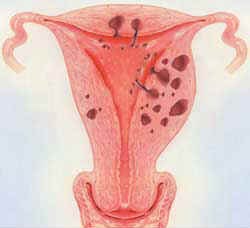
adenomyosis1.jpg (JPEG Image, 250x297 pixels)A couple of months ago, we wrote about Kate Seear’s research findings that menstrual etiquette is a frequent cause of delayed diagnosis of endometriosis. In related news, medical researchers writing in a recent issue of the Journal of Obstetrics and Gynaecology have found that adenomyosis, the presence of endometrial tissue embedded within the muscular wall of the uterus, is under-diagnosed.

S. Basak and A. Saha, the study’s authors, examined the data of more than 1000 hysterectomies performed for pelvic pain or abnormal uterine bleeding (in other words, hysterectomies for cancer and uterine prolapse were excluded from the data set) in the UK in a three-year period. In 26 of those cases, adenomyosis was identified post-surgery via tissue analysis.

The medical histories in these 26 cases were then examined more closely. The majority of the women had sought medical attention for menorraghia (excessive menstrual bleeding) and dysmenorrhea (painful periods). Eleven of the women’s uteruses were enlarged, and 16 underwent pelvic ultrasound exams. But adenomyosis was suspected clinically in only one case; the others were identified as uterine fibroids (five cases) or “dysfunctional uterine bleeding” (20 cases).

Examination of patients’ case histories found that the medical consultations focused on menstrual flow. The researchers found that other symptoms of adenomyosis, such as pelvic pain, pain during intercourse, painful periods, and feelings of pelvic pressure, were not adequately addressed – even when examination or ultrasound findings indicated an enlarged uterus.

Basak and Saha ask,

Does failure of preoperative suspicion of adenomyosis matter? In the absence of an accurate diagnosis, appropriate treatment is unlikely to be offered, or may be delayed. This results in failure of treatment and continued suffering.

To identify adenomyosis earlier, they recommend more careful discussion with patients of pelvic symptoms, MRI, and follow-up care with women who elect for conservative management of their symptoms. Once again, open communication about all aspects of menstruation isn’t about challenging taboos just for the sake of challenge; it’s critical for women’s health and well-being.

Post to Twitter Post to Plurk Post to Yahoo Buzz Post to Delicious Post to Digg Post to Facebook Post to MySpace Post to Reddit Post to StumbleUpon

Readers should note that statements published in re: Cycling are those of individual authors and do not necessarily reflect the positions of the Society as a whole.